MADRID
Madrid and Its Surrounding Province: An Insightful Overview
.
Madrid, the capital of Spain, serves as both a vibrant metropolis and a gateway to the rich cultural tapestry of the surrounding Comunidad de Madrid province. This article delves into various aspects of the region, including demographics, tourist attractions, real estate, education, and a comparative analysis with other Spanish cities.
Geographic Location
Madrid is located in the center of the Iberian Peninsula. The province of Madrid that encompasses the city shares borders with the provinces of Toledo, Cuenca, Guadalajara, and Segovia. The geographical positioning at the crossroads of Spain facilitates transportation and economic development, making it a hub for both domestic and international travel.
Demographics and Migration
The Comunidad de Madrid has a population of approximately 6.7 million residents, with Madrid city alone accounting for around 3.3 million of this figure. The region is notable for its diverse population, with a significant number of immigrants hailing from countries such as Colombia, Ecuador, and Morocco. Migrants constitute about 14% of the region’s total population, contributing to the multicultural fabric of the city.
Tourist Attractions
Madrid is a city steeped in history and culture, attracting approximately 10 million tourists annually. Major tourist attractions include:
- Prado Museum: Home to masterpieces by Velázquez and Goya.
- Royal Palace of Madrid: An opulent symbol of Spain’s monarchy.
- Retiro Park: A sprawling green oasis featuring walking paths and serene lakes.
- Plaza Mayor: A grand square surrounded by historic buildings and eateries.
Additionally, the nearby Sierra de Guadarrama mountain range offers opportunities for hiking and skiing, while the towns of Alcalá de Henares and El Escorial provide cultural sites for exploration.
Suburbs and Districts of Madrid
Madrid’s urban landscape consists of diverse neighborhoods, each with its unique character. Notable suburbs include:
- Pozuelo de Alarcón: Known for its affluent population and green spaces.
- Majadahonda: A family-friendly area with excellent schools.
- Boadilla del Monte: Offers a suburban lifestyle while being close to the city’s amenities.
Districts such as Malasaña and Chueca are popular for nightlife, culture, and arts, while areas like Argüelles and Chamartín are sought after for their residential appeal.
Beaches and Universities
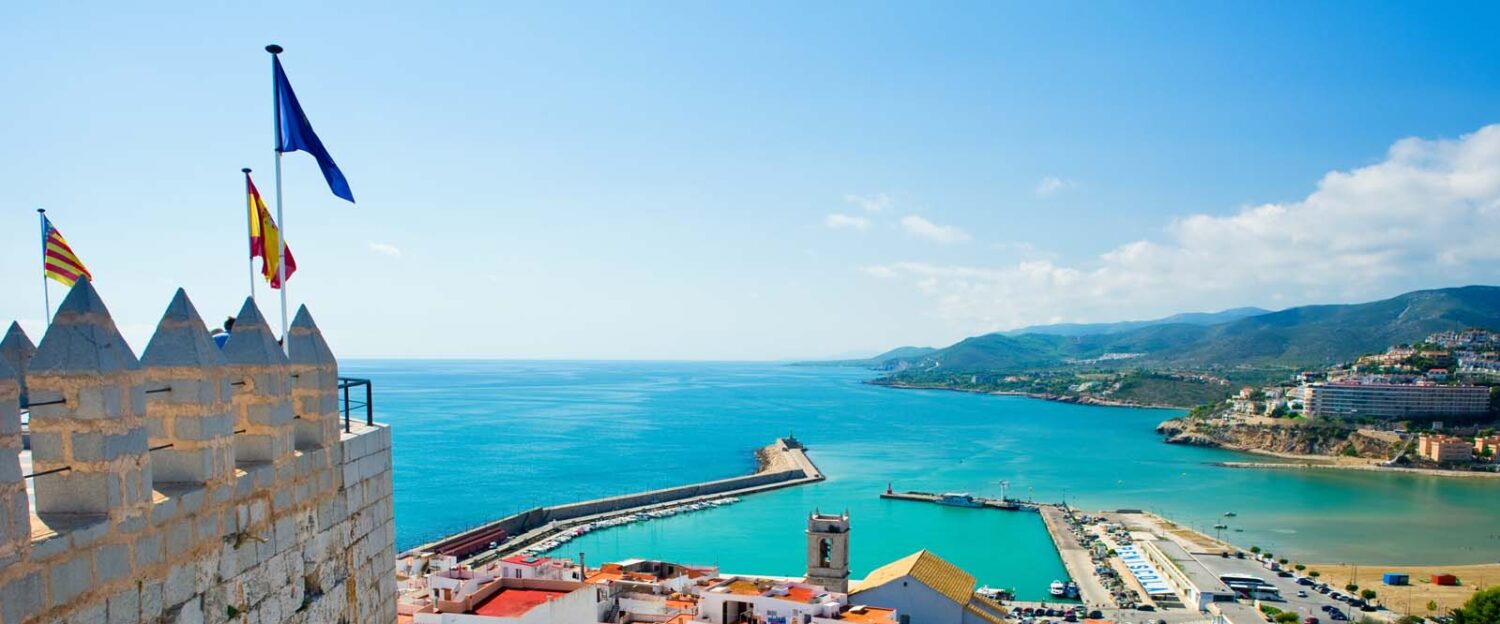
While Madrid itself is landlocked, it is within a few hours’ drive of beautiful coastal areas such as Valencia Beach and Costa del Sol. These locations attract both locals and tourists seeking relaxation.
In terms of higher education, Madrid is home to several esteemed universities, including:
- Complutense University of Madrid: Offers a wide array of disciplines, from humanities to sciences.
- Polytechnic University of Madrid: Known for engineering and technology programs.
- University Carlos III: Renowned for its social sciences and law faculties.
These institutions attract a diverse student body and contribute significantly to the intellectual climate of the city.
Real Estate Insights
The real estate market in Madrid is diverse, with property values varying by neighborhood. Salamanca, Chamberí, and Centro are considered some of the most expensive areas, attracting affluent buyers due to their central location and amenities. Conversely, neighborhoods like Usera and Carabanchel are seen as more affordable, providing options for first-time buyers and renters.
The outskirts of Valencia, including towns like Torrent and Paterna, are regarded as appealing suburbs due to lower property prices and family-friendly environments, whereas regions with higher crime rates, such as parts of Elche and Catarroja, are generally avoided by home buyers.
Public Transportation
Madrid boasts a robust public transportation system, including:
- Metro: One of the largest and most efficient metro systems in Europe, facilitating rapid transit across the city.
- Buses: Covering areas not serviced by the metro, offering extensive routes.
- Cercanías: A commuter rail service connecting Madrid to surrounding towns.
This extensive system makes commuting easy for residents and tourists alike.
Climate
Madrid experiences a hot-summer Mediterranean climate, with long, hot summers and short, cool winters. The average temperature in July can peak around 34°C, while January sees averages around 6°C. Rainfall is sparse, mainly occurring in spring and autumn.
Comparing Madrid to Other Spanish Cities
| City | Population (approx.) | Income per Capita (€/year) | Annual Tourists (million) | Average Salary (€) | Rent Prices (€) |
|---|---|---|---|---|---|
| Madrid | 3.3 million | 30,000 | 10 | 27,000 | 1,200 |
| Barcelona | 1.6 million | 32,000 | 12 | 26,500 | 1,150 |
| Seville | 700,000 | 24,000 | 3 | 23,000 | 850 |
| Malaga | 600,000 | 22,000 | 5 | 20,000 | 750 |
| Zaragoza | 675,000 | 26,000 | 1.5 | 22,000 | 650 |
Key Comparisons
- Population: Madrid is the largest city in Spain, significantly outpacing the rest. Barcelona is the second largest, followed by Seville and Zaragoza.
- Income Level: Madrid and Barcelona boast higher income levels compared to the other cities, reflecting their status as economic hubs.
- Tourism: Madrid and Barcelona are the top destinations, with Madrid attracting a robust number of tourists yearly.
- Living Costs: While rental prices in Madrid are comparatively high, they are still lower than in Barcelona, making it attractive for residents.
Summary
Madrid is a dynamic city that intertwines history and modernity. Its geographical centrality, diverse population, cultural landmarks, and robust education system make it attractive to both locals and expatriates. With a thriving economy and vast public transport options, Madrid continues to thrive as a primary destination in Spain and a vibrant locale in Europe.
Its comparison with other major cities like Barcelona, Seville, Malaga, and Zaragoza reveals both its unique advantages and specific challenges, such as rising real estate prices. Whether through its rich cultural offerings or robust infrastructure, Madrid remains an appealing choice for those seeking to live or visit in this lively capital.
Upcoming Events
The Formula 1 management and the International Automobile Federation (FIA) have announced the championship calendar for the 2026 season.
Compared to the current season, the calendar will not include a race in Imola, Italy; instead, a race in Madrid is scheduled for September 11-13. It was previously reported that the construction of the track in Madrid is expected to be completed by May 2026.
The length of the “Madring” will be approximately 5.5 kilometers. Of this, 1.5 kilometers will run on regular city roads, while the remaining 4 kilometers will be on the racetrack premises. The track will be hybrid, combining elements of both a city and a permanent racing circuit.
The “Spanish Grand Prix” in Madrid will take place starting in 2026 and will replace the race in Barcelona. The name “Madring” is derived from the word “Madrid” and sounds similar to the English word “mad.”
At the same time, the political opposition has already filed a lawsuit against the city authorities, attempting to contest the plans for the race. They argue that the plans did not undergo adequate environmental assessment and that there is no evaluation of their impact on public health, as the track is located just 40 meters from residential buildings. Additionally, the construction of the track may result in the destruction of more than 700 trees, which has also sparked outrage among local environmental activists.