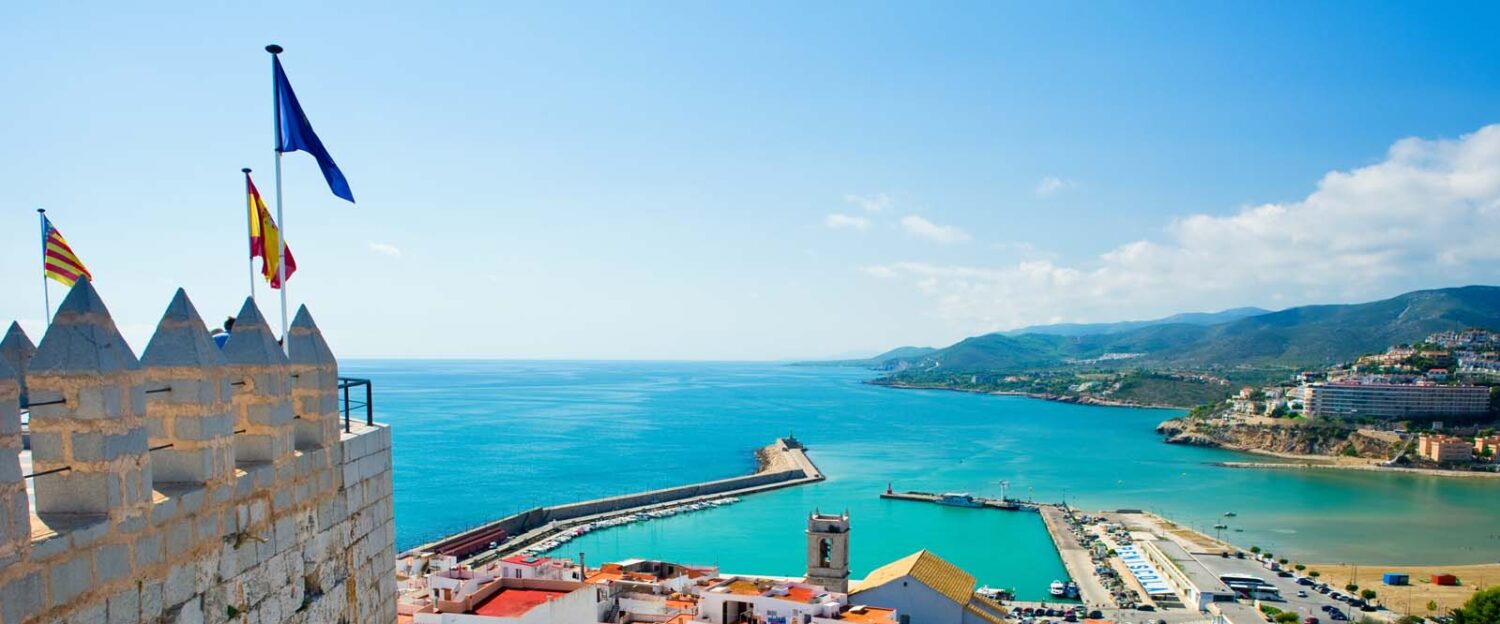
VALENCIA
Province of Valencia and the City of Valencia

The Province of Valencia is located on the eastern coast of Spain, bordering the Mediterranean Sea. It is part of the autonomous community of Valencian Community. The capital city, Valencia, stands out as a significant urban center and the third-largest city in Spain.
Population and Demographics
The province has a population of approximately 2.5 million, with Valencia itself housing about 800,000 residents. The city attracts numerous migrants, contributing to its multicultural environment. It is home to a diverse community, with many expatriates from countries like Romania, Morocco, and the United Kingdom.
Tourist Attractions
Valencia is rich in cultural and architectural heritage, boasting landmarks such as:
- City of Arts and Sciences: A futuristic architectural complex that includes an aquarium, science museum, and planetarium.
- Valencia Cathedral: A beautiful Gothic-style cathedral housing what is claimed to be the Holy Grail.
- Central Market: One of the largest markets in Europe, perfect for exploring local cuisine and fresh produce.
- Turia Gardens: A former riverbed transformed into a sprawling park, ideal for walking, cycling, and enjoying the outdoors.
The city welcomes over 2 million tourists annually, drawn to its history, architecture, and vibrant festivals like Las Fallas.
Suburbs and Neighborhoods
Valencia’s suburbs offer various living conditions and amenities. Notable neighborhoods include:
- Ruzafa: A trendy area known for its lively atmosphere, bars, and art galleries.
- Ciutat Vella: The old town, rich in history and beautiful plazas.
- Benimaclet: A comfortable neighborhood popular among young professionals and students.
Popular beaches include:
- Malvarrosa Beach: Known for its golden sand and bustling promenade.
- Las Arenas: Ideal for water sports and beachside dining.
Education and Universities
Valencia is home to several reputable universities, including:
- University of Valencia: Offers a range of specialties from Medicine to Humanities.
- Polytechnic University of Valencia: Focused on engineering, architecture, and technology.
These institutions attract both local and international students, contributing to the city’s vibrant academic environment.
Real Estate Market
In Valencia, real estate prices vary significantly based on location:
- Expensive Neighborhoods: Places like Pla del Remei and La Xerea feature upscale properties with high demand.
- Affordable Areas: Neighborhoods such as El Carmen and La Roqueta offer more affordable housing options, appealing to first-time buyers and students.
Suburbs like Albufera and Paterna are increasingly attractive for families due to their lower costs and good connectivity.
Public Transport
Valencia boasts an efficient public transport system that includes:
- Metro: Extensive metro lines connecting the city and suburbs.
- Buses: Comprehensive bus routes covering the entire urban area.
- Tram Services: Connecting various neighborhoods and nearby municipalities.
Climate
The city experiences a Mediterranean climate, characterized by hot summers and mild winters. Average summer temperatures can reach 30°C, while winters typically hover around 10–15°C. The pleasant climate contributes to Valencia’s appeal as a year-round tourist destination.
Economy and Major Enterprises
Valencia’s economy is diverse, with significant sectors including:
- Agriculture: The region is renowned for its production of oranges and other citrus fruits.
- Manufacturing: Various industries, including textiles and ceramics, are prominent.
- Tourism: A major economic driver, supported by historical and modern attractions.
Key businesses are located in areas like Torreblanca and Polígono Juan Carlos I, providing numerous job opportunities.
Comparison with Barcelona and Madrid
When comparing Valencia to Barcelona and Madrid, several key metrics stand out:
| METRIC | VALENCIA | BARCELONA | MADRID |
| Population | 800,000 | 1.6 million | 3.2 million |
| GDP per Capita | €30,000 | €35,000 | €40,000 |
| Annual Tourists | 2 million | 9 million | 7 million |
| Average Salary | €25,000 | €30,000 | €35,000 |
| Rent (1 Bedroom) | €700/month | €1,200/month | €1,100/month |
| Real Estate Prices | €1,800/m² | €3,000/m² | €3,500/m² |
The Province of Valencia is situated on the eastern coast of Spain, bordered by the sparkling Mediterranean Sea. It forms part of the Valencian Community and serves as a crucial economic and cultural hub. Its capital, Valencia, is the third-largest city in Spain, known for its stunning architecture, historical significance, and vibrant lifestyle.
Population and Demographics
Valencia Province is home to around 2.5 million people. The city itself boasts a population of approximately 800,000 residents, making it a bustling metropolis. The area has attracted a significant number of migrants, contributing to its diverse demographic landscape. Many newcomers hail from Romania, Morocco, and other countries, enriching the local culture and economy.
Tourist Attractions
Valencia is renowned for its rich history, culture, and iconic structures. Popular tourist attractions include:
- City of Arts and Sciences: This futuristic complex features an aquarium, a science museum, an opera house, and an IMAX cinema. It is a symbol of modern architecture and cultural advancement in the city.
- Valencia Cathedral: A stunning example of Gothic architecture, this cathedral houses the legendary Holy Grail, drawing both tourists and pilgrims.
- Central Market: One of the largest markets in Europe, its stunning Modernist architecture is an attraction in itself. Visitors can explore local delicacies, fresh produce, and regional specialties.
- Turia Gardens: Converted from a former riverbed, this sprawling park stretches through the city and is perfect for recreational activities, including walking and biking.
- Las Fallas Festival: This famous festival in March celebrates Saint Joseph with a week-long event of fireworks, parades, and the burning of large paper-mâché figures. It attracts massive crowds, both local and international.
Valencia attracts over 2 million tourists each year, underscoring its significance as a key travel destination in Spain.
Suburbs and Neighborhoods
Valencia’s neighborhoods each have unique characteristics, enhancing the living experience for both residents and visitors. Key neighborhoods include:
- Ruzafa: Known for its artistic vibe, vibrant nightlife, and eclectic dining options, Ruzafa is a trendy area frequented by young professionals and artists.
- Ciutat Vella: This is the historic heart of the city, filled with narrow streets, charming plazas, and cultural landmarks.
- Benimaclet: A diverse, residential area popular with students due to its proximity to universities and lively atmosphere.
Popular Beaches in Valencia include:
- Malvarrosa Beach: Famous for its extensive sandy shores, it is ideal for sunbathing and beach sports, supported by numerous beach bars and restaurants.
- Las Arenas: Known for its vibrant atmosphere, this beach area features excellent dining options and is a favorite for both locals and tourists.
Education and Universities
Valencia is home to several prominent educational institutions:
- University of Valencia (Universidad de Valencia): One of the oldest universities in Spain, offering a wide range of degrees, including Medicine, Law, Humanities, and Social Sciences.
- Polytechnic University of Valencia (Universidad Politécnica de Valencia): Known for its engineering and technology-focused programs, it is a leading institution for students pursuing technical degrees.
- CEU Cardenal Herrera University: Offers various degrees, including Business Administration and Philosophy.
These universities not only provide quality education but also contribute significantly to the local economy and cultural vibrancy, attracting numerous international students.
Real Estate Market
Valencia’s real estate market showcases a diverse range of properties, influenced by location and neighborhood characteristics:
- Expensive Neighborhoods: Areas such as Pla del Remei and La Xerea are known for their luxury residences and high real estate prices, often exceeding €3,000 per square meter.
- Affordable Areas: Neighborhoods like El Carmen and La Roqueta offer lower property prices, making them appealing to young buyers and students, with prices around €1,500 to €2,000 per square meter.
Attractive Suburbs:
- Albufera: Known for its natural landscapes and rice cultivation, it’s a serene location for families.
- Paterna: Just outside Valencia, offers affordable housing with good access to the city, making it a practical choice for commuters.
Less Desirable Areas: Certain neighborhoods have struggled with crime or poor infrastructure, affecting their desirability, including some areas in La Zaidía and Benicalap.
Public Transport
Valencia boasts an efficient and comprehensive public transport system, allowing residents and visitors to navigate the city easily:
- Metro: The metro system connects various neighborhoods and extends to surrounding areas, offering convenient access to the airport and other significant sites
Tourist Attractions and Nature in the Province of Valencia
The Province of Valencia is not only rich in cultural heritage but also boasts stunning natural landscapes and a variety of outdoor activities. From historical landmarks to beautiful parks and natural reserves, the province offers a plethora of attractions that appeal to tourists and locals alike.
Historical Landmarks
- Lonja de la Seda:
- A UNESCO World Heritage site, this Gothic building was once the silk exchange. It features stunning stonework and intricate decorations, representing Valencia’s historical importance in trade.
- Torres de Serranos:
- These imposing medieval towers once served as the entrance to the city. Visitors can explore the towers and enjoy panoramic views of the old town.
- Basilica de la Virgen de los Desamparados:
- This beautiful baroque basilica is dedicated to Valencia’s patron saint. Its interior is adorned with stunning artworks and offers a sense of tranquility.
- Central Market:
- Besides being a bustling market, the building itself is an architectural marvel. The colorful tiles and vibrant atmosphere contribute to its charm.
Natural Attractions
The province is endowed with diverse landscapes, including mountains, beaches, and lush parks, which are perfect for outdoor enthusiasts.
- Albufera Natural Park:
- Located just south of Valencia city, this expansive lagoon and wetland area is known for its rich biodiversity. Visitors can enjoy boat rides, observe birdlife, and indulge in traditional paella at local restaurants.
- Sierra de Espuña:
- A mountain range in the region is perfect for hiking and exploring nature. The trails offer breathtaking views of the surrounding landscapes, and it’s a popular spot for outdoor activities like cycling and rock climbing.
- Cabo de San Antonio:
- A natural park featuring stunning cliffs and scenic coastal views. It’s ideal for hiking and enjoying the Mediterranean landscape.
- Turia Gardens (Jardín del Turia):
- This iconic park spans several kilometers along the former riverbed of the Turia River. It’s a favorite spot for walking, cycling, and picnics, and it’s dotted with playgrounds and gardens.
- Palmar:
- A unique village situated in the Albufera region, known for its traditional fishing and rice farming. Visitors can explore the charming canals and traditional houses while savoring local cuisine.
Cultural Festivals and Events
- Las Fallas:
- A major festival held in March, celebrating Valencia’s patron saint. The streets are filled with elaborate sculptures made from wood and cardboard, known as “fallas.” The festival culminates with a spectacular firework display and the burning of the fallas.
- La Tomatina:
- Although technically in Buñol, about 30 km from Valencia, this world-famous festival involves a large tomato fight. It occurs on the last Wednesday of August and attracts thousands of participants.
- Feria de Julio:
- A month-long summer festival featuring concerts, parades, and cultural events throughout Valencia.
Beaches
The Province of Valencia is known for its beautiful beaches, making it a popular summer destination.
- Malvarrosa Beach:
- A lively beach with soft sands, excellent facilities, and a promenade lined with restaurants and bars. It is perfect for sunbathing, swimming, or enjoying various water sports.
- Patacona Beach:
- Located next to Malvarrosa, it’s slightly quieter and ideal for families. The area is known for its beachside cafés and volleyball courts.
- La Devesa Beach:
- Situated within the Albufera Natural Park, this tranquil, natural beach is less crowded and surrounded by picturesque scenery. It is great for a relaxing day by the sea.
Nature Activities
The province offers a range of outdoor activities for nature enthusiasts:
- Hiking and Cycling:
- Numerous trails in areas like Sierra Calderona Natural Park and Sierra de Espuña provide excellent opportunities for hiking and cycling, catering to all skill levels.
- Birdwatching:
- The wetlands and marshes of the Albufera Natural Park are ideal for birdwatching, attracting a wealth of migratory species.
- Water Sports:
- Beaches like Malvarrosa and Patacona offer facilities for various water sports, including windsurfing, paddleboarding, and sailing.
Culinary Delights
Valencia’s culinary scene is also a major attraction:
- Paella: The region is famous for its traditional rice dish, paella, often made with local ingredients like rabbit, chicken, and fresh vegetables.
- Horchata: A delicious and refreshing drink made from tiger nuts, often served with delightful fartons (sweet pastries).
- Local Markets: Markets like Central Market
alicante
Alicante Province and City: An In-depth Exploration
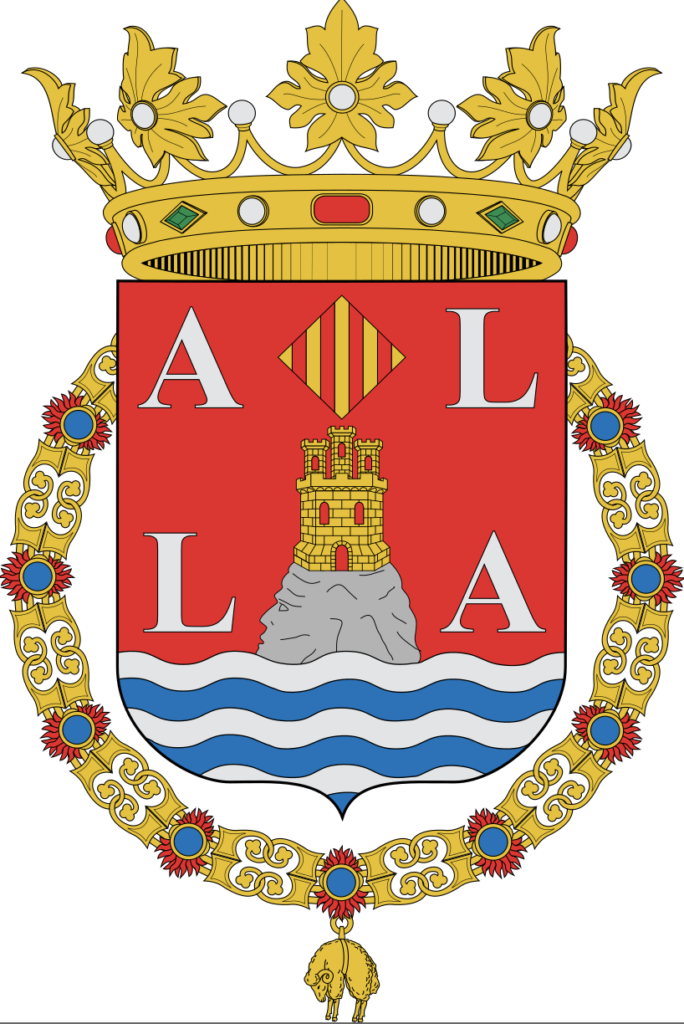
Alicante, located on the southeastern coast of Spain, is a province renowned for its stunning beaches, vibrant culture, and pleasant climate. The capital city, also named Alicante, serves as a key hub for tourism, education, and industry. This article will cover the geography, demographics, tourist attractions, neighborhoods, universities, real estate, public transport, and climate, while also comparing Alicante with neighboring cities like Benidorm, Torrevieja, and Calpe.
Geography and Location
Alicante Province is situated along the Costa Blanca, bordered by the Mediterranean Sea to the east and mountainous terrain to the west. The province extends over approximately 5,819 square kilometers. The city of Alicante lies at the heart of the province, only about 170 kilometers from Valencia and 400 kilometers from Madrid, making it easily accessible for travelers and residents alike.
Demographics
Population
Alicante Province has a population of around 1.9 million, with the city itself housing approximately 330,000 residents. The population has seen rapid growth in the past few decades, largely due to immigration from both other parts of Spain and international communities, including many from the UK and Eastern Europe.
Migration
Alicante is home to a diverse population, with around 20% being foreign nationals. Many expatriates are drawn to the region for its climate, lifestyle, and job opportunities. The influx of migrants has also led to a multicultural atmosphere, enriching the local culture and economy.
Tourist Attractions
Alicante is a popular tourist destination, attracting millions of visitors each year. Key tourist attractions include:
- Castle of Santa Bárbara: A historic fortress that offers panoramic views of the city and Mediterranean Sea.
- Explanada de España: A beautiful palm-lined promenade featuring a mosaic pavement, cafes, and artistic sculptures.
- Postiguet Beach: A central beach known for its golden sand and vibrant atmosphere.
- San Juan Beach: One of the most famous beaches in the area, offering water sports and beachside activities.
- Tabarca Island: A picturesque island just off the coast, known for its marine reserve and seafood restaurants.
Each year, about 3 million tourists visit Alicante, making it one of the most popular destinations in Spain.
Neighborhoods and Suburbs of Alicante
Alicante is characterized by various neighborhoods, each with distinct features. Notable neighborhoods include:
- El Barrio: Known for its historical significance, vibrant nightlife, and tapas bars.
- Centro: The bustling heart of Alicante, filled with shopping, dining, and cultural venues.
- San Juan: A family-friendly area known for its beautiful beach and residential options.
Suburbs
Some appealing suburbs include:
- San Vicente del Raspeig: A popular suburb with many educational institutions and parks, it offers a quieter lifestyle while being close to the city.
- Campello: Located just north of Alicante, it features beautiful beaches and a relaxed atmosphere.
Beaches
Alicante boasts numerous popular beaches, including:
- Postiguet Beach: Located near the city center, it is perfect for sunbathing and water activities.
- San Juan Beach: Known for its clear waters and numerous amenities, it’s great for families and beachgoers.
- Muchavista Beach: A quiet beach ideal for relaxation, with beautiful surroundings.
Education
Alicante is home to several educational institutions, including:
- University of Alicante: Known for its diverse programs in arts, sciences, law, and business. It attracts both local and international students.
- Miguel Hernández University: Offers various programs geared towards health sciences, education, and social sciences.
Real Estate in Alicante
The real estate market in Alicante offers a range of options:
- Expensive Neighborhoods: Areas like Cabo de las Huertas and San Juan are known for their luxurious properties, attracting high-end buyers.
- Affordable Neighborhoods: Neighborhoods such as Cruz de Gracia and San Blas are more budget-friendly, appealing to younger residents and expatriates.
Property Prices
- The average property price in Alicante is around €1,600 per square meter. Coastal properties in sought-after areas can exceed €2,500 per square meter.
Public Transport in Alicante
Alicante features a well-organized public transportation system:
- Buses: The city has an extensive bus network that connects various neighborhoods, providing reliable service for residents and visitors.
- Tram System: The TRAM Metropolitano connects Alicante with nearby coastal towns, offering scenic routes and ease of travel.
- Train Services: The RENFE service provides connections to major cities across Spain, including Valencia and Madrid.
Industry and Major Enterprises in Alicante
Alicante has a diverse economic base that supports its growth and development. Key industries include:
- Tourism: As a major tourist destination, tourism is one of the largest sectors, employing thousands of individuals in hospitality, services, and entertainment.
- Agriculture: The province is known for its agricultural production, particularly fruits and vegetables, including oranges and almonds.
- Manufacturing: The manufacturing sector includes food processing, textiles, and electronics, with numerous factories located in and around the city.
- Technology and Innovation: Alicante has been developing its technology and innovation sectors, with various tech startups and companies emerging in areas such as software development, biotechnology, and renewable energy.
Major enterprises in Alicante include:
- Cervantes Institute: Focused on the promotion of Spanish language and culture worldwide.
- Grupo Eulen: A significant player in the services sector, providing facility management services.
- Coca-Cola: The soft drink giant has a major bottling plant in the region, contributing significantly to local employment.
Climate
Alicante enjoys a semi-arid Mediterranean climate, characterized by:
- Mild Winters: Average winter temperatures range from 8°C to 16°C, making it one of the most pleasant winter climates in Europe.
- Hot Summers: Summer temperatures typically range from 25°C to 35°C, often reaching higher during heat waves.
- Low Rainfall: Alicante generally receives low annual rainfall, averaging 300 to 400 mm, most of which occurs in the fall and spring.
Comparison: Alicante, Benidorm, Torrevieja, and Calpe
When comparing Alicante with other coastal cities like Benidorm, Torrevieja, and Calpe, the following key metrics can be noted:
| Metric | Alicante | Benidorm | Torrevieja | Calpe |
|---|---|---|---|---|
| Population | Approximately 330,000 | Approximately 70,000 | Approximately 120,000 | Approximately 30,000 |
| Income per Capita | About €25,000 | About €22,000 | About €20,000 | About €23,000 |
| Annual Tourists | About 3 million | Approximately 2 million | About 1 million | About 500,000 |
| Average Salary | About €24,000 | About €21,000 | About €19,000 | About €22,500 |
| Housing Rental Costs | Average €600/month | Average €800/month | Average €500/month | Average €650/month |
| Property Purchase Costs | Average €1,600/m² | Average €2,200/m² | Average €1,500/m² | Average €1,700/m² |
Analysis:
- Population: Alicante is significantly larger than Benidorm, Calpe, and Torrevieja, allowing for more diverse amenities and services.
- Income and Salaries: Alicante has the highest average income per capita, indicating a stronger economy and job market.
- Tourism: Alicante attracts the most tourists annually, which supports its economy and job market.
- Housing: Alicante generally offers more affordable housing options compared to Benidorm, particularly for rentals.
Conclusion
Alicante Province and its capital city have much to offer, from a vibrant lifestyle and rich culture to stunning beaches and historical sites. With its welcoming climate, diverse population, and ample educational opportunities, Alicante serves as a prime destination for tourists and expatriates alike. The city successfully balances its tourist influx with everyday life, creating a unique blend that appeals to many. When compared to neighboring cities, Alicante stands out for its infrastructure, job opportunities, and overall quality of life, making it a desirable place to live and visit in Spain.
profile
ACADEMIA ALPHA
The Alpha Academy creates a space for growth: developing thinking, speech, emotions, and creativity. Here, a child does not just learn — they build a foundation, acquire future skills, and unlock their potential.
Programs:
- Speech therapy and speech initiation
- Neurogymnastics and mental arithmetic
- Psychological support and emotional development
- Programming and robotics
- Drawing, painting, art therapy
- School readiness
Alfiya Niyazova
Founder of the “Alpha” Academy, psychologist-speech therapist, neuropsychologist, early development educator.
Alisher Niyazov
Educational psychologist, programming instructor, robotics teacher, logic and thinking educator, and mental arithmetic instructor.
Address and Contact Information:
📞 +34 665 197 269
📍 Calle Pascual Flores 2, Torrevieja

Upcoming Events
Big money and new opportunities for rescuers in Valencia!
The President of the Generalitat, Carlos Mazon, promised support for the police and firefighters: more funding, stability, and training for quick and effective operations 🚓🔥. At the VIII National Congress of the SPPLB, he emphasized that the safety of defenders is a priority.
The budget for 2025 has increased to €440.7 million—an increase of 148% compared to last year! Special attention will be given to forest firefighters and an increase in funding for SGISE to €74.88 million (+30%).
Training is also on the rise: IVASPE has prepared 5,318 specialists, conducting 26 courses and nearly 5,000 hours of classes, plus new branches have been opened in Alicante and Castellón.